
Train Travel in Europe Made Easy
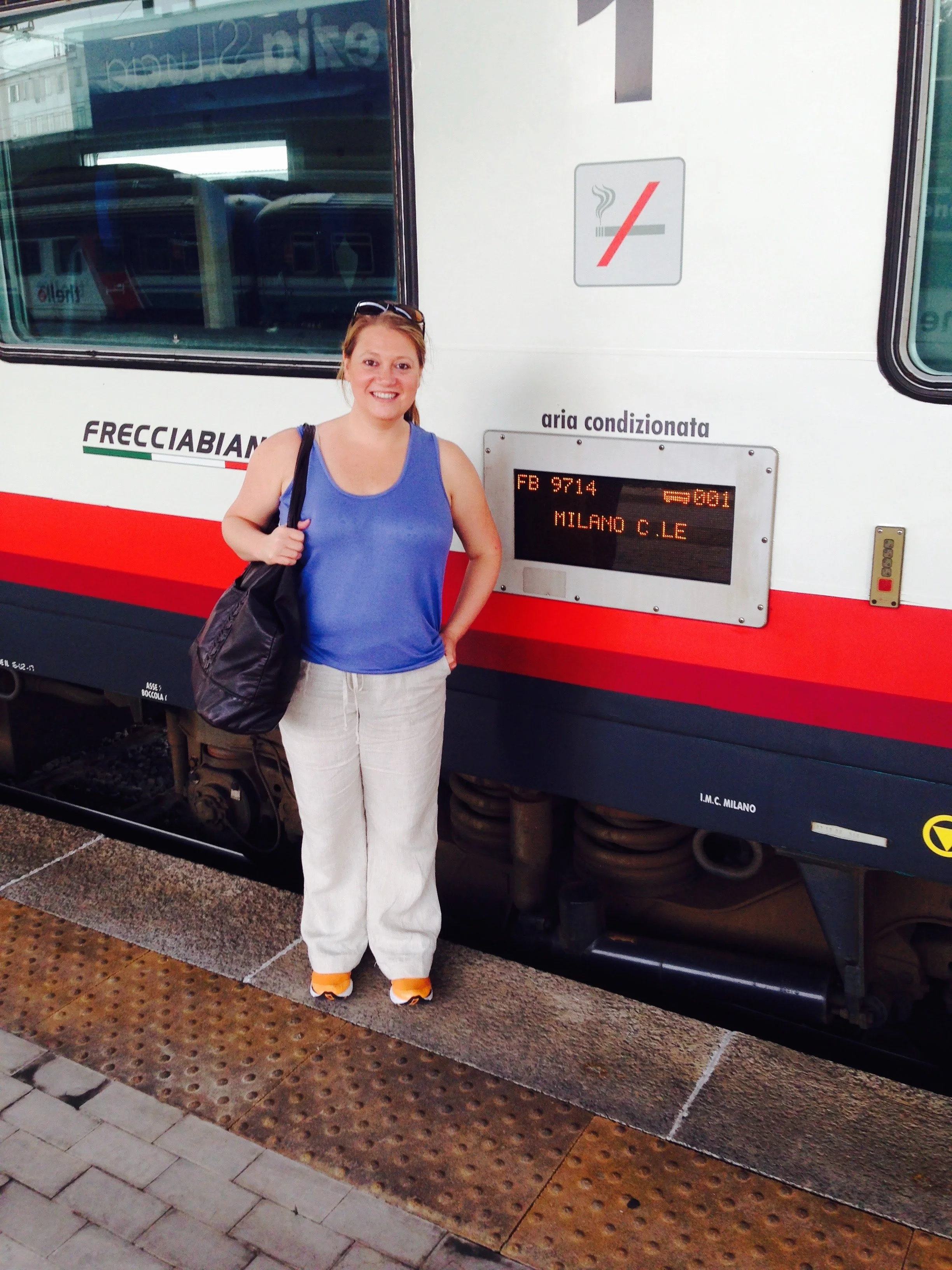
Everything you need to ride Europe by rail with confidence, from someone who lives at the crossroads
In the United States, a train ticket is a train ticket. You buy it, you get on, you find a seat.
In Europe, the single most important question is this: does this train require a seat reservation, or not? Some trains you can walk onto with a valid ticket and sit anywhere. Others will not let you board without a reserved seat, even if you have paid full fare and even if the train is half empty. Get this one distinction right.
As a rough rule, the fast, long-distance and cross-border trains usually require a reservation, and the regional and local trains usually do not. The next few sections break that down so you always know which one you are dealing with.
The three kinds of trains
Almost every train you will meet falls into one of three buckets. Knowing which bucket you are in tells you how to book, whether to reserve, and how early to plan.
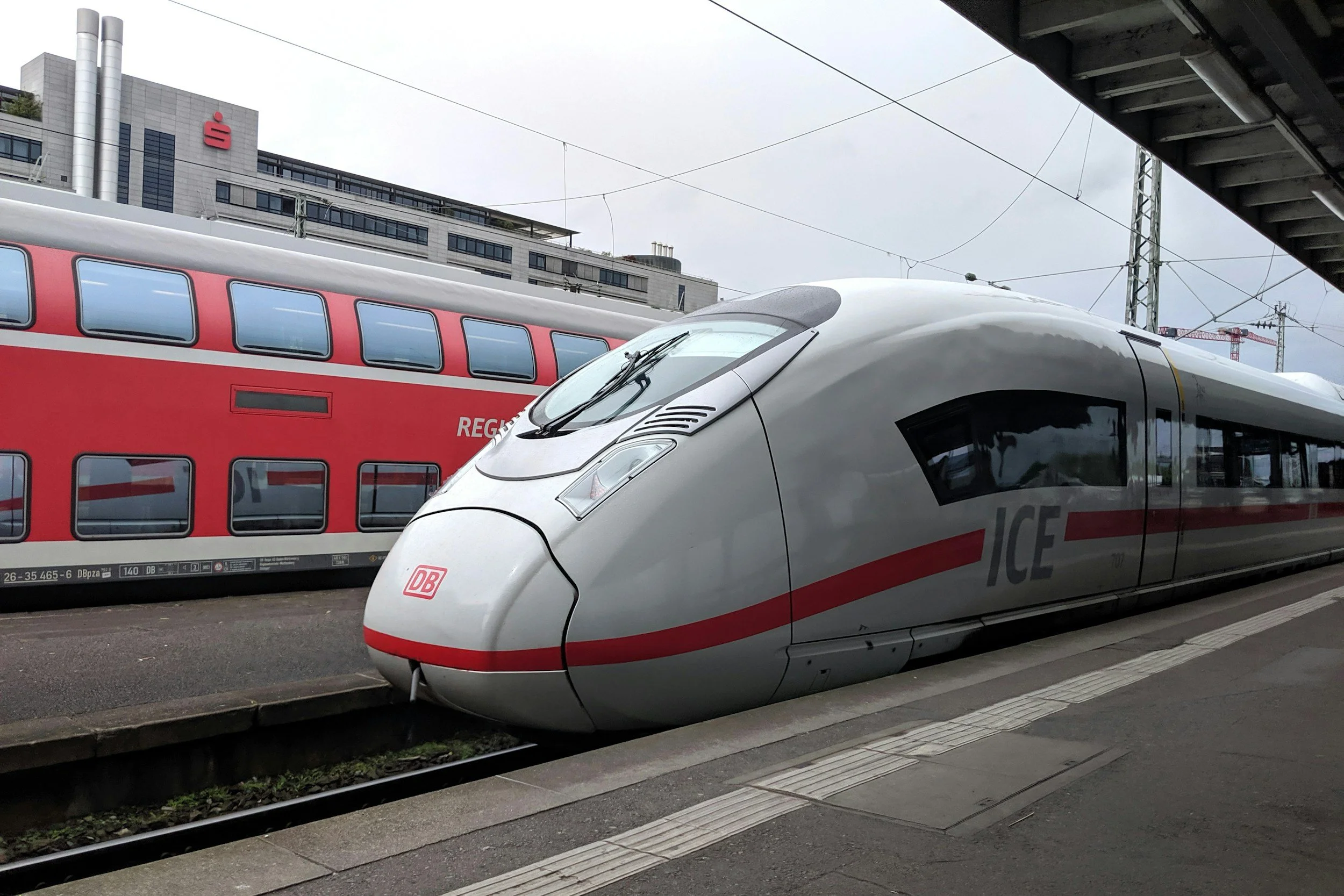
High-speed and long-distance: ICE, TGV, Eurostar, AVE, Frecciarossa, Railjet
Regional and local: RE, RB, S-Bahn and their equivalents abroad
Night trains: Nightjet, European Sleeper and similar
One useful quirk worth knowing: the German ICE is the exception that proves the rule. On most German high-speed trains a reservation is optional rather than compulsory, so you can board with a valid ticket and simply pay a small extra fee to guarantee a seat. Cross into France, Spain or Italy and the reservation becomes part of the ticket itself. You cannot separate them.
How to book, and where
You have two honest options, and both are fine.
Book direct with the national operator: Deutsche Bahn (DB), France's SNCF, Italy's Trenitalia or Italo, Spain's Renfe, Austria's OeBB, Switzerland's SBB. Direct is usually cheapest, and it is the cleanest if something goes wrong, since you deal with the operator and not a middleman.
Book through an aggregator: apps like Omio, Trainline or Rail Europe pull many operators into one search and one checkout. They charge a small booking fee, but for a multi-country trip that crosses several rail networks, the convenience of one itinerary can be worth it.
A few booking truths that save real money and stress:
Advance fares are much cheaper: on high-speed trains, tickets are cheap when the booking window opens and climb as the train fills. Booking windows typically open a few months out. If your dates are fixed, book early.
Regional trains do not need advance booking: the fare is the fare whether you buy it a month ahead or on the platform, so there is no penalty for spontaneity on local trains.
The DB Navigator app travels well: Germany's own app plans and often sells journeys well beyond Germany, so the tool you already use at home covers a lot of the continent. Download your tickets to the app so you have them offline when the signal drops in a tunnel or a border valley.
Watch the fare conditions: the cheapest advance fares are usually fixed to one specific train and are not refundable or changeable. Flexible fares cost more but let you take any train that day. Choose based on how certain your plans are.
Seat reservations, decoded
This is the part worth reading twice, because it is where people get caught. Here is when a reservation is part of the deal and when it is optional.
Compulsory: Eurostar, French TGV, Spanish AVE, Italian Frecciarossa and Italo, most cross-border high-speed trains, the Swiss panoramic scenic trains, and every night train. No reservation, no boarding.
Optional but smart: the German ICE and most regional trains across Europe. You can board with a valid ticket, but on a busy ICE or a Friday-evening regional run, the small reservation fee buys you a guaranteed seat instead of standing by the luggage rack.
The pass trap: even if you hold a rail pass, many of these trains still require a separate paid reservation on top. The pass covers the fare, not the seat. This surprises more first-timers than anything else on this list.
Rail passes: Eurail, Interrail, and whether they are worth it
This is the section that matters most for an American family living in Germany, because which pass you are even allowed to buy depends on your residency, and the answer is not obvious.
Interrail: for people who live in Europe. If you are a resident here, this is your pass.
Eurail: the same product for people who do not live in Europe, sold to visitors. Same trains, different name, sold to a different group.
Here is the wrinkle that catches expat families: your residency status, not your passport, usually decides which one you qualify for. If you are living in Germany, you most likely buy the resident version even though you hold a U.S. passport, while relatives visiting you from the States buy the visitor version. Check the current eligibility rules before you buy, because buying the wrong one is a headache to unwind.
How the passes work
Continuous versus flexi: a continuous pass gives unlimited travel for a set stretch of days in a row. A flexi pass gives you a number of travel days to use within a longer window, which suits a slower trip with stopovers.
Mostly mobile now: passes are largely digital, loaded into an app where you add each journey to a trip before you board.
Reservations still cost extra: as above, a pass does not free you from the compulsory reservation fees on high-speed and night trains. Budget for those separately.
Is a pass actually worth it?
The honest answer is: sometimes. A pass rewards a certain style of trip, and it is dead weight for another.
A pass tends to win when: you are taking many long journeys across several countries in a short window, you value the freedom to change plans on the day, and you will ride enough high-value trains to clear the cost.
Point-to-point advance tickets tend to win when: your route is fixed, you have only a few legs, and you can book early to catch the cheap advance fares. For two or three planned journeys, separate tickets are often cheaper than a pass.
Night trains: the underrated move
Night trains had nearly died out, and they have come roaring back, which is very good news from where we sit in the middle of Europe. You go to sleep in one country and wake up in another, you skip a hotel night, and you arrive in a city center rather than an airport on its outskirts. Austria's OeBB Nightjet leads the network, and newer operators such as European Sleeper have added routes.
You will choose between three levels of comfort, and the gap between them is real:
A seat: the cheapest, and honestly a rough night. Fine for the budget-minded and the young, less so for a family.
A couchette: a simple bunk in a shared compartment, with a blanket and pillow. The sweet spot on price and sleep, and the classic night-train experience.
A sleeper: a private cabin with a proper bed and sometimes a little washbasin, the closest thing to a hotel room on rails. Book early, because these sell out first.
Whichever you pick, the reservation is compulsory and the good berths go weeks ahead, so this is not a spontaneous option.
The cross-border details nobody mentions
Big cities have more than one station: Paris alone has several main terminals, each serving different directions, and your onward train may leave from a different one than you arrived at. Always check which station your train uses, not just the city, and leave time to cross town if you are changing stations.
Learn the word for platform: it is Gleis in Germany and Austria, voie in France, binario in Italy, via in Spain, and peron in much of central Europe. The number matters more than the language.
Eurostar is a border crossing: trains through the Channel Tunnel involve passport and security checks, so you check in ahead of departure like a flight. Arrive early and travel light.
Leave real transfer time: a ten-minute connection looks fine on paper and falls apart if your first train runs late, especially when you must change platforms or stations. On tight itineraries, give yourself a cushion.
Strikes happen: France and Germany both see occasional rail strikes. They are usually announced in advance, so check the news before a big travel day and keep a flexible fare or a backup plan for the important connections.
Keep tickets offline and handy: conductors check tickets on board, sometimes twice on a cross-border run. Have yours downloaded and ready, with any pass journey already added before you board.
Traveling with kids and dogs
Two things that make the train shine for families and for anyone who travels with a four-legged companion.
Kids: young children often travel free or at a steep discount, and on a train they can walk around, use a real bathroom, and press their face to the window instead of being strapped into a car seat for hours. Many high-speed trains have family or quiet areas worth requesting when you reserve.
Dogs: most European trains take dogs, though the rules vary by country and operator. Small dogs in a carrier usually ride free. Larger dogs are treated as a passenger, so on German long-distance trains they need a half-price ticket, a leash, and a muzzle.
A note on the muzzle, since it trips people up. On Deutsche Bahn, a larger dog not in a carrier is supposed to wear one, and regional networks set their own rules on top, so it is stricter in some areas than others. In practice it is loosely enforced, but a conductor is within their rights to ask, so keep a muzzle on you rather than risk the one time they do. If you have never taken your pup on a train before, do a trial run first: a short local ride to a nearby village is the gentlest way to see how they handle it before you commit to a long journey.
The rides worth planning a whole trip around
Some European trains are not transport, they are the destination. If you want the journey itself to be the memory, these earn the trip.
The Swiss panoramic routes: the Glacier Express and the Bernina line turn a train ride into a slow, glass-roofed float through the Alps. Reservations are compulsory and worth every franc.
The Rhine Valley line: close to home, the route along the Middle Rhine past the castles and the Loreley is one of the most scenic ordinary train rides in the country, and it pairs beautifully with a river boat day.
The Semmering line in Austria: a historic mountain railway and a UNESCO site, proof that the golden age of rail engineering still runs on a normal timetable.
From here: your first cross-border trips
Living where we do, at the crossroads of Germany, France and Luxembourg, some of Europe's best rail trips start almost at your doorstep. A few natural first journeys to build confidence:
Into France: fast trains link the Rhine-Main region to Paris in a few hours, city center to city center, which beats flying once you count the airport time on both ends.
Into Switzerland: a smooth run south delivers you to Basel and the Swiss network, gateway to the panoramic routes and the Alps.
Into the Benelux: Cologne connects onward to Amsterdam and Brussels, and from Brussels the Eurostar reaches London.
Close to home: Strasbourg and the Alsace are an easy hop across the border, a soft landing for a first international train day.
One of my favorite train trips was basing myself in Aachen for Christmas market season. Sitting right on the corner where Germany, Belgium and the Netherlands meet, it put a whole string of great trains into the Netherlands within easy reach, and it was so easy to do. Pick a border city as your base and the rail map opens up in three directions at once.
Life You Find
#LifeYouFind #TrainTravel #Europe #SlowTravel #ExpatLife #Interrail #Eurail #TravelEurope #Germany
Related Posts


Quisque iaculis facilisis lacinia. Mauris euismod pellentesque tellus sit amet mollis.