
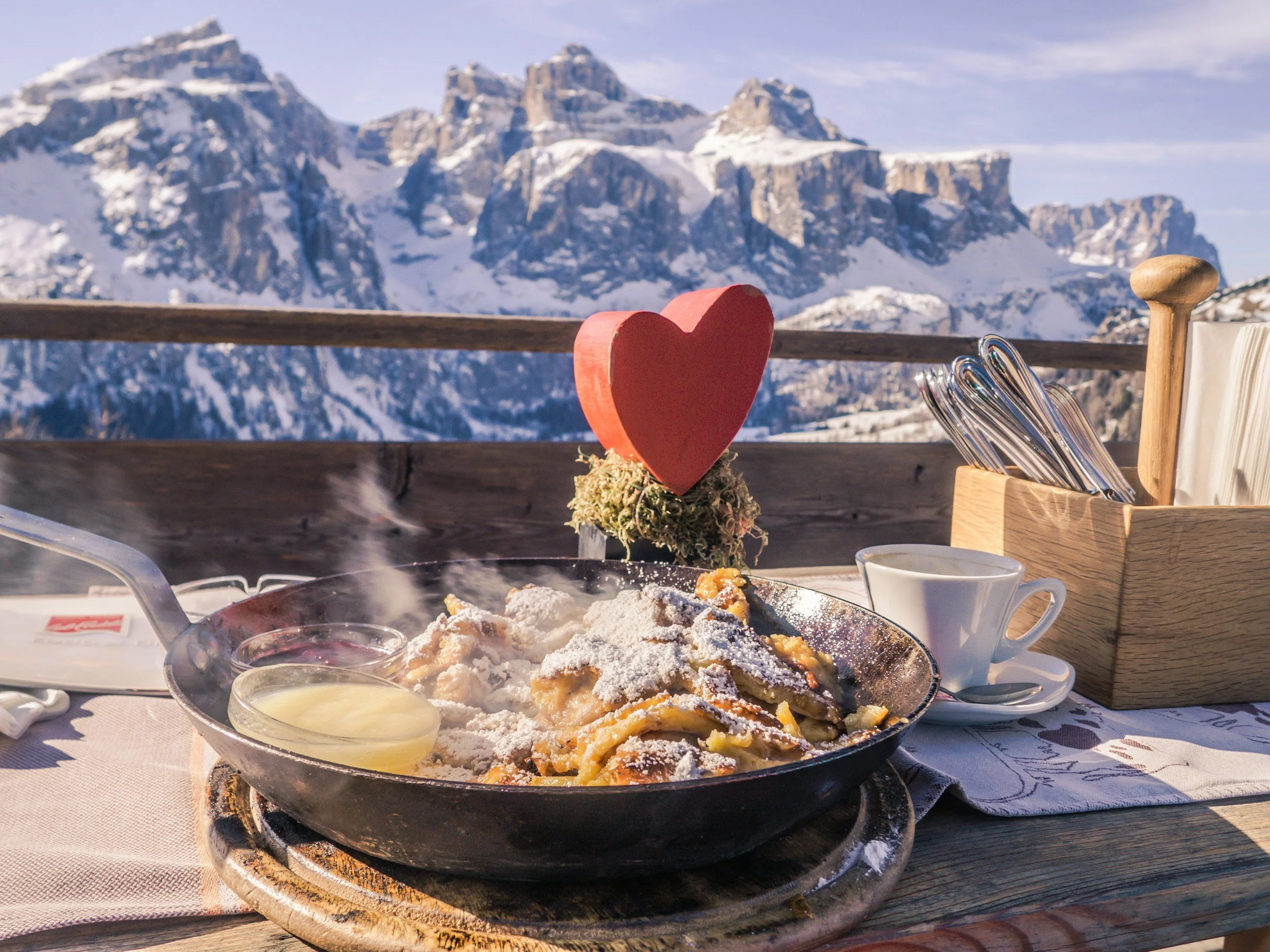
Regional European Cuisine
Recipes, Ingredients & Traditions That Define Each Destination
Europe doesn’t have one cuisine — it has hundreds. I explore the regional dishes people actually eat, the ingredients that matter, and the small food traditions that turn a meal into a cultural experience.
-
The Food That Defines a Place
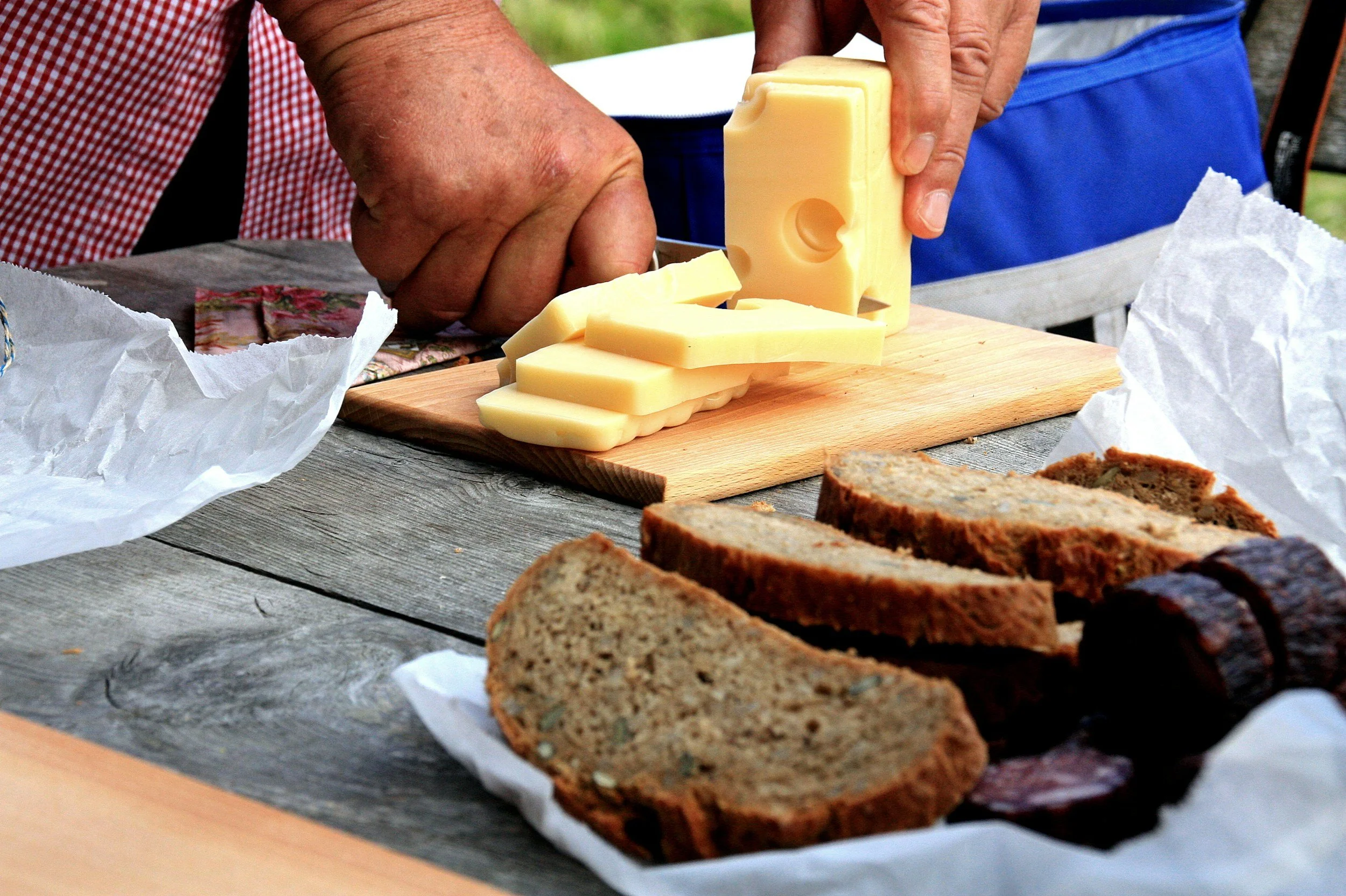
Signature dishes and traditions are rooted in local history and long-standing traditions, from recipes passed down through generations to specialties that put small towns on the culinary map.
Food traditions shape not only what people eat, but how they eat it: family meals, schedules, seasonal dishes, and regional customs that guide everyday life.
We’re on a mission to understand what makes each dish special, where to taste it locally, and how modern foodie standards are reshaping classic recipes without losing the soul of the original.
-

Ingredients, Markets & Food Festivals
Markets are where European food culture comes to life. From weekly town squares and neighborhood bakeries to small butchers and specialty shops, these everyday places shape how people cook, eat, and think.
Ingredients matter and they vary widely by region. The type of flour used for bread, the cheese made just down the road, seasonal produce, preserved foods, and local pantry staples all influence how dishes taste and why recipes differ from place to place. Shopping habits, market days, and seasonal availability quietly guide what ends up on the table.
-
An Insider Guide: From Home Kitchens to Local Tables
Eating like a local in Europe is not only about finding the trendiest spots, but also understanding how to eat. Menus are written differently, meals follow local rhythms, and some of the best food isn’t advertised.
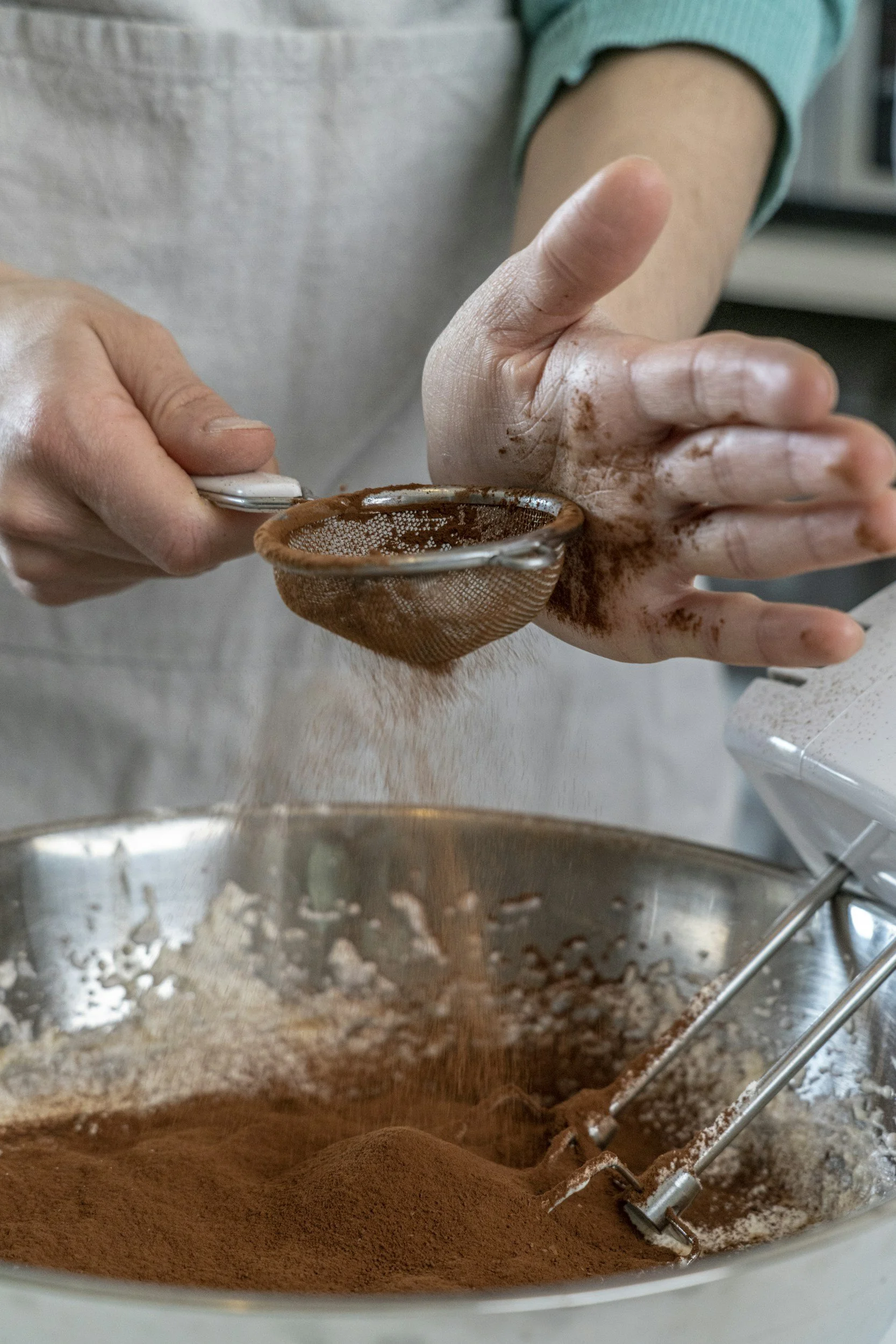
This section bridges home kitchens and neighborhood tables. Here are my insights shaped by lived experience. What surprised us after moving here, what took time to learn, and the small food customs that make everyday dining feel familiar instead of intimidating.