Wine Walks in Southwest Germany: What a Weinwanderung Is and How to Do One
Your guide to German wine walks, what happens, what to bring, and how to find one.
Living in Europe, and in Germany in particular, has let me sink into the rhythm of the seasons and the farming year. Among my favorite experiences are the wine and beer harvests and the festivals that come with them, which capture so much of German culture and tradition. If you have heard about the wine hikes and want to try one, here is everything I wish I had known before my first.
What is a Weinwanderung?
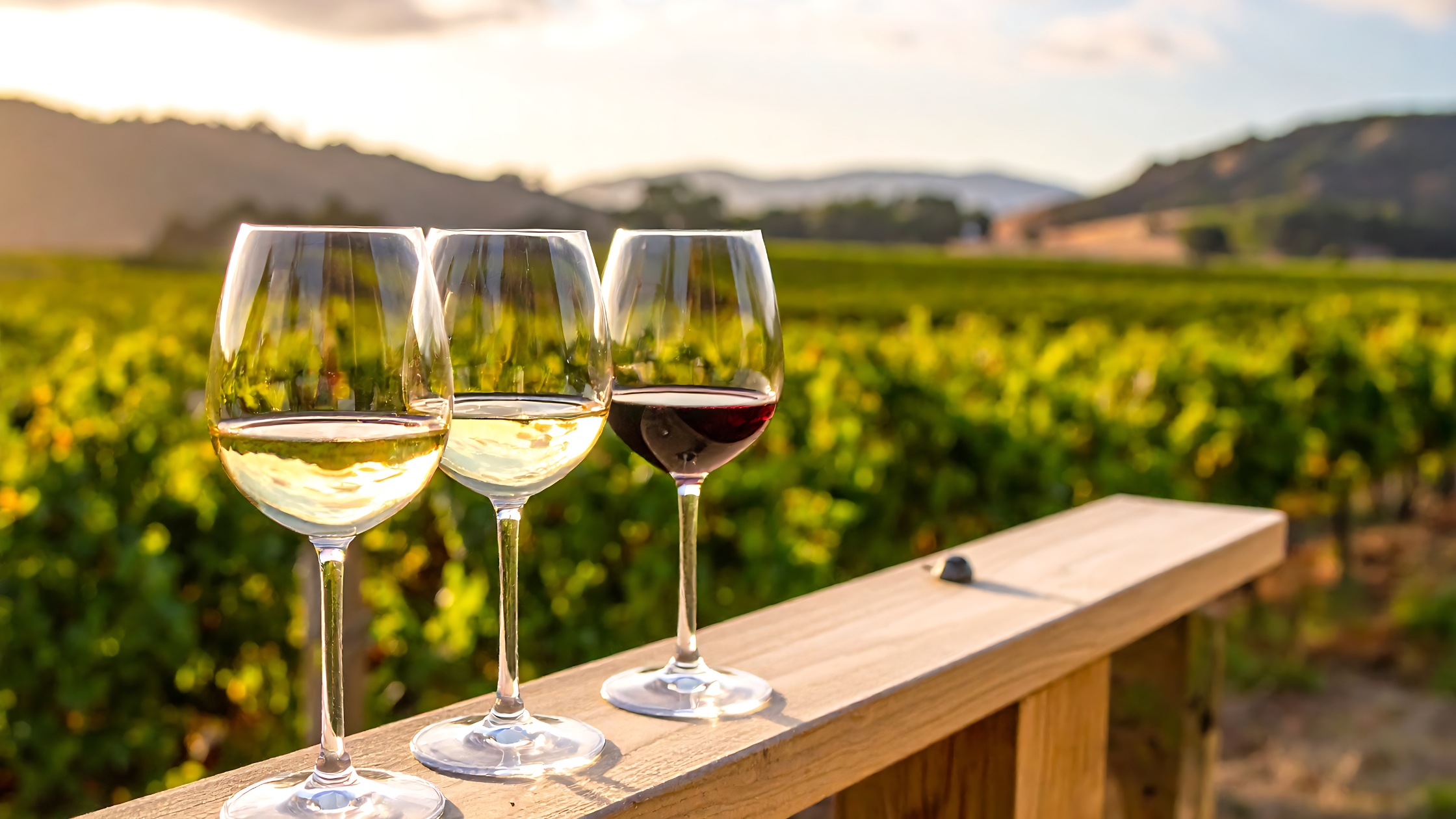
A Weinwanderung, sometimes signposted as a Weinwanderweg, is a wine walk. You uncork the adventure by strolling a marked route through the vineyards, stopping at tents along the way to sample local wines paired with regional food. Many regions run walks that let you set your own pace and choose the wineries that catch your interest, so it is part hike, part tasting, part village party.
What to Expect
Navigation
At first it can feel confusing, but there is almost always a map. Check the flyer in advance, since it usually numbers the food and wine stations, lists the distances between them, and marks the total length of the walk, pick-up points, and toilets.
The tents
Tents or stations are set up at intervals along the route. At each one you can taste wines from local wineries right there in the vineyard, and most stations pour several different options.
Food
Regional food is usually part of the deal, often paired to the wine. Depending on the location and the theme, you might find Spargel menus in asparagus season, bratwurst, or Flammkuchen, the thin, crisp flatbread topped with cream, onions, and bacon.
Atmosphere
Expect a festive mood with live music and friendly locals. On some walks people stroll with speakers playing music, others have music at the stations, and the bigger walks bring in full bands.
The scenery
The countryside through the vineyards is beautiful every time. Dress for it, and bring natural bug spray and sunscreen.
Tips for a Smooth Day
Plan ahead. Look up the route, the wineries taking part, and the food vendors, and buy tickets if they are needed. Sometimes you get a punch card or a glass you are required to carry, other times you simply pay as you go.
Dress for comfort. Comfortable shoes and layers. I always bring an umbrella or a rain jacket even when the sky is clear, because the weather turns fast.
Pace yourself. Taste responsibly and alternate with water. If you plan to stay a while, order a Schorle, wine mixed with sparkling water, which is the local move.
Plan your ride home. Choose a designated driver, book a taxi, or check public transport. Trains are convenient here, and city rail is occasionally free during festivals.
Bring cash. Cards are common in some cities, but festivals and wine walks are usually cash only.
What to Pack
Tissues and wet wipes. Pop-up toilets are the norm, so carry your own supplies.
A blanket or folding chairs. Buy a bottle and settle into the vineyard for a picnic.
Snacks and water. Handy if you are on a budget or have dietary restrictions. Water can cost more than wine here, so bring a bottle.
A Bollerwagen. The four-wheeled hand wagon everyone pulls, good for children, dogs, or your wine and snacks. Local hardware stores carry them, often on sale.
Beyond the Grapes
Family friendly. Many walks welcome families, but check whether the route works for a stroller and whether the atmosphere suits pets.
Souvenir stops. Some tents sell bottles. If they do not, note your favorites and buy them from the winery later.
Finding one. Look for local wine walks on Facebook event pages, city websites, and local news. If you are visiting, ask your hotel to point you to what is on.
You Do Not Need an Event
Do not forget that the Deutsche Weinstrasse, the Rhine Valley, and the Mosel Valley are lovely any day of the year. All of them sit within about an hour of Kaiserslautern, and you can walk the vineyards on your own schedule whenever you like.
And that, to me, is the Life You Find.
Shared in good faith without warranty. Details, routes, and prices change and vary by location, so always check official sources before you rely on them.
Related Posts